
The engineers who didn’t show up during AI week
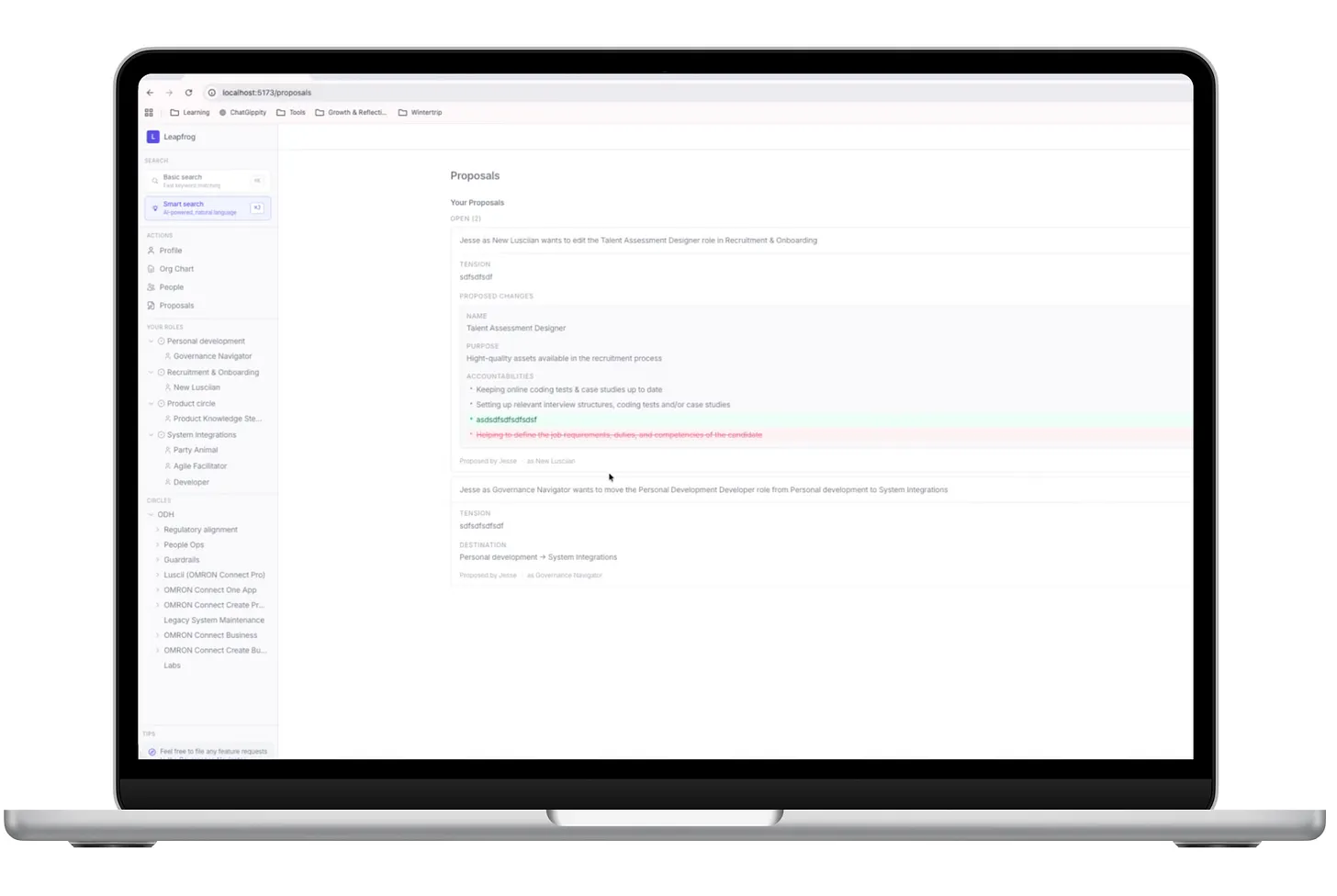
It was the beginning of January, and I started experimenting with Claude Code. Just for myself, just for fun, just to see what the hype was all about. The first thing I wanted to try was to improve Glassfrog. Glassfrog is our SaaS holacracy tool, and I have been annoyed with it for years. It is slow, the interface is outdated, and it misses some important features. So I asked Claude Code to create a better version of it. We went through the available APIs together, shaped ideas for the new interface, I pointed it to a design library, and it started coding. Within two hours of chatting with Claude, it launched a local website in my browser. I opened it up, I was very skeptical, and … it worked. It looked amazing. It was blazingly fast. It had done exactly as we had designed and planned. All while I was busy in meetings and doing email and Slack messages. Oh shit.
I kept going. Claude Code turned out to be addictive. I added features to our product, made a personal financial planning tool, built internal demos, and side projects I’d have never attempted before. Instead of watching YouTube in the evenings, I was now spending time with Claude. A friend had built a fully featured enterprise software startup in 2 months as a single person company.
Just a month earlier, Maurits Kaptein and I published our book AI Agents at Work in which we predicted these results would probably take a few more years. But AI Agents were getting better much more quickly. And I needed to figure out how to deal with this in our organization.
The experiment
I was fired up, and I was worried. If our competitors could suddenly innovate at this speed, we would be lagging behind if we did not adopt it quickly. And wouldn’t it be nice if we could process a lot more of the feedback we get from our dedicated users? We could make a much better platform for healthcare providers and patients. Creating more space for nurses to care for the patients that need them most.
So I gave all our engineers the opportunity to pause their regular work for a week and experiment with AI. I asked everyone in the company to pitch software ideas that would be of value to their work. We let everyone self-organize – as we do, as a holacracy company without managers. 40 projects were pitched, 20 passed our selection criteria (had to be safe, couldn’t touch the core platform, created some concrete value). Twelve engineers chose a project, working closely together for a week with the person who pitched the idea and knew the context well.
The empty chairs
The demo session was on Thursday afternoon in a Slack huddle (we are a fully remote company). 46 people joined, a mix of people from the business teams and from the product teams. We went through the demos one by one, asking each participating engineer to share what they did and what they learned. Even though it was a 2-hour session – long for a remote video call – I felt like there was a lot of enthusiasm, from the business folks but also from the engineers who participated.
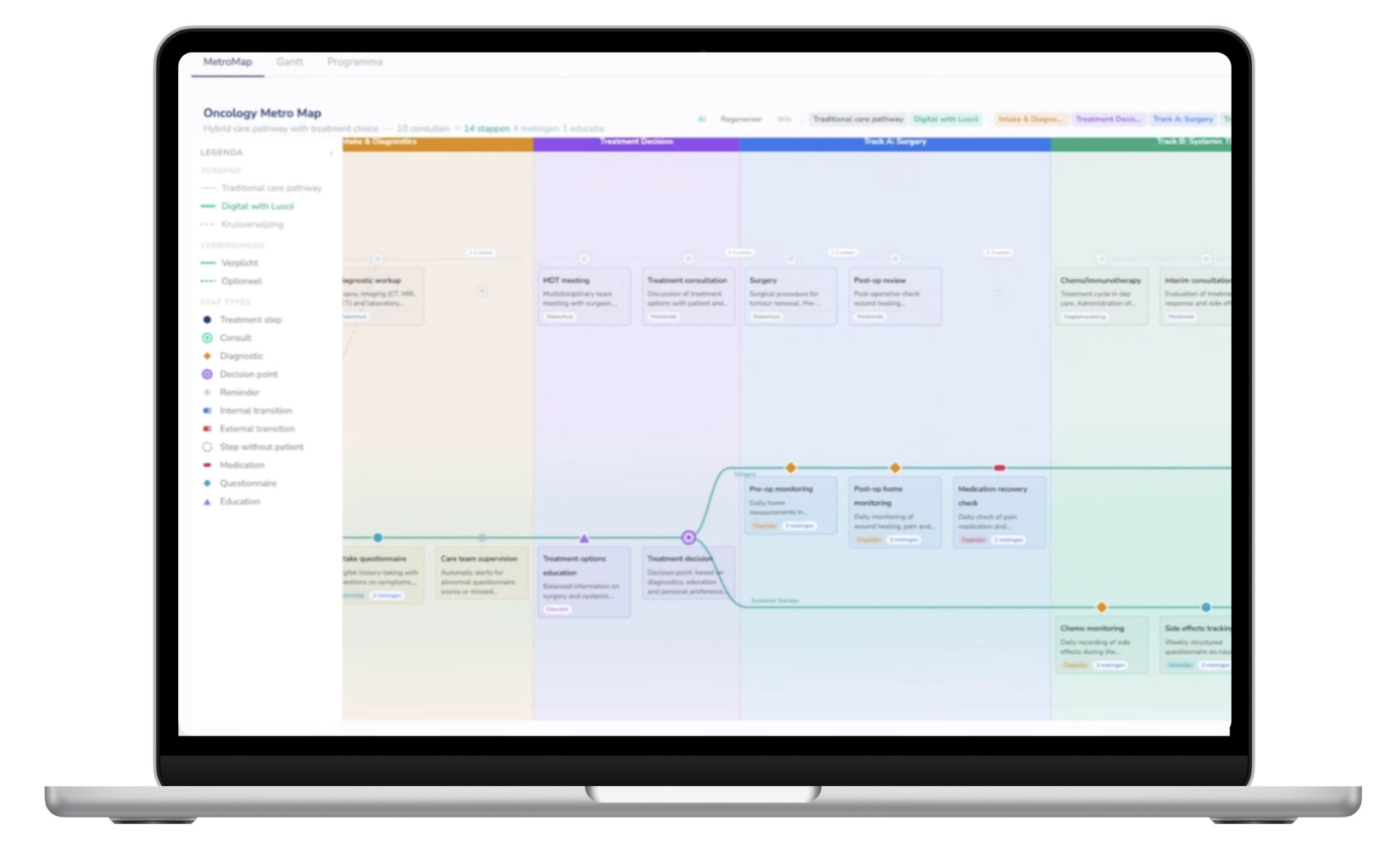
Twelve engineers. Twelve pieces of working software. Tools that could replace SaaS products we were paying for — a holacracy tool, a CRM, a product management suite. And tools for work that never had dedicated software before — a test tool, a demo generator. I estimated we would save €40k annually in license costs alone if we put everything in production. It seemed like another AI-hallelujah story.
But only twelve engineers participated. Less than half of our total. And these were the people who were already enthusiastic before the experiment started. The skeptics didn’t take the opportunity to try it. Some of them didn’t even show up for the demo session. I felt a bit naive. I thought that if I created the space, people would naturally want to explore. But sitting in that demo session, looking at the missing faces, I felt disappointed.
How should I convince the skeptics that they should be using AI for us to stay competitive? Should I tell everyone this is the direction we’re going and they need to get on board? That really didn’t feel right. I remember a rushed phone call I had during a quick grocery run. In between filling my grocery basket, my colleague from the business team was pushing to go faster with AI adoption in the engineering teams. I actually felt uncomfortable. And I realized, this pressure I was feeling from him might be the same pressure the skeptics were feeling from me.
That discomfort turned out to be useful. It forced me to slow down and actually think about what was happening. The skeptics weren’t ignorant. They were telling me there are real risks in using AI engineering tools, and we should not just accept those risks. It could create hard to solve bugs. It was risky, especially in a healthcare context.
Others were saying they didn’t like this new way of engineering. And they found it hard to accept that the models are trained on stolen data, concentrate wealth and power with a small number of companies and governments, and that their energy consumption puts a significant burden on the environment. With Fable 5 (Anthropic’s latest frontier model) being turned off by the Trump administration, their worries are becoming reality. I had heard all of this before the experiment and I had, if I’m honest, mostly dismissed it so far.
But now the wider industry seems to be catching up to their concerns. A massive AI-engineering related outage at AWS caused Amazon to pause their AI agents rollout. A recent leak of Claude Code’s codebase suggests it has become spaghetti code from too much AI engineering. The skeptics had been anticipating something I was ignoring.
My fear of missing out was real. But it was also mine, and I was projecting it onto the organization. We work in healthcare. When a nurse uses our platform to monitor a patient with heart failure at home, there is no room for the kind of bugs that AI-generated code can hide. Caution isn’t resistance here. It’s professionalism. And we should be leading the way in responsible AI adoption in healthcare.
Still in love
I am still very much in love with Claude Code. Even though I am responsible for an organization of 300 people, AI gives me the chance to create software again. In between meetings, small tasks, and a hundred Slack messages, I fire off prompts and review pull requests. I am currently working on a custom compensation system tool that was previously managed in a complex set of Google Sheets. People Ops needs it badly with our ever growing organization. I love creating it. And I go slow intentionally. I make sure I review everything myself. I read all the code that gets committed. I challenge Claude. I go out of my way to insert care and taste into the software.
I don’t have an answer for the organization yet. I can’t demand adoption. That’s not who I am, and it’s not how we work. I can’t ignore it either. So for now, I keep exploring. I go slow, using AI responsibly. And I trust that the people around me, the enthusiasts and the skeptics, are all smart enough to find their own way to this, in their own time.
Read more here: